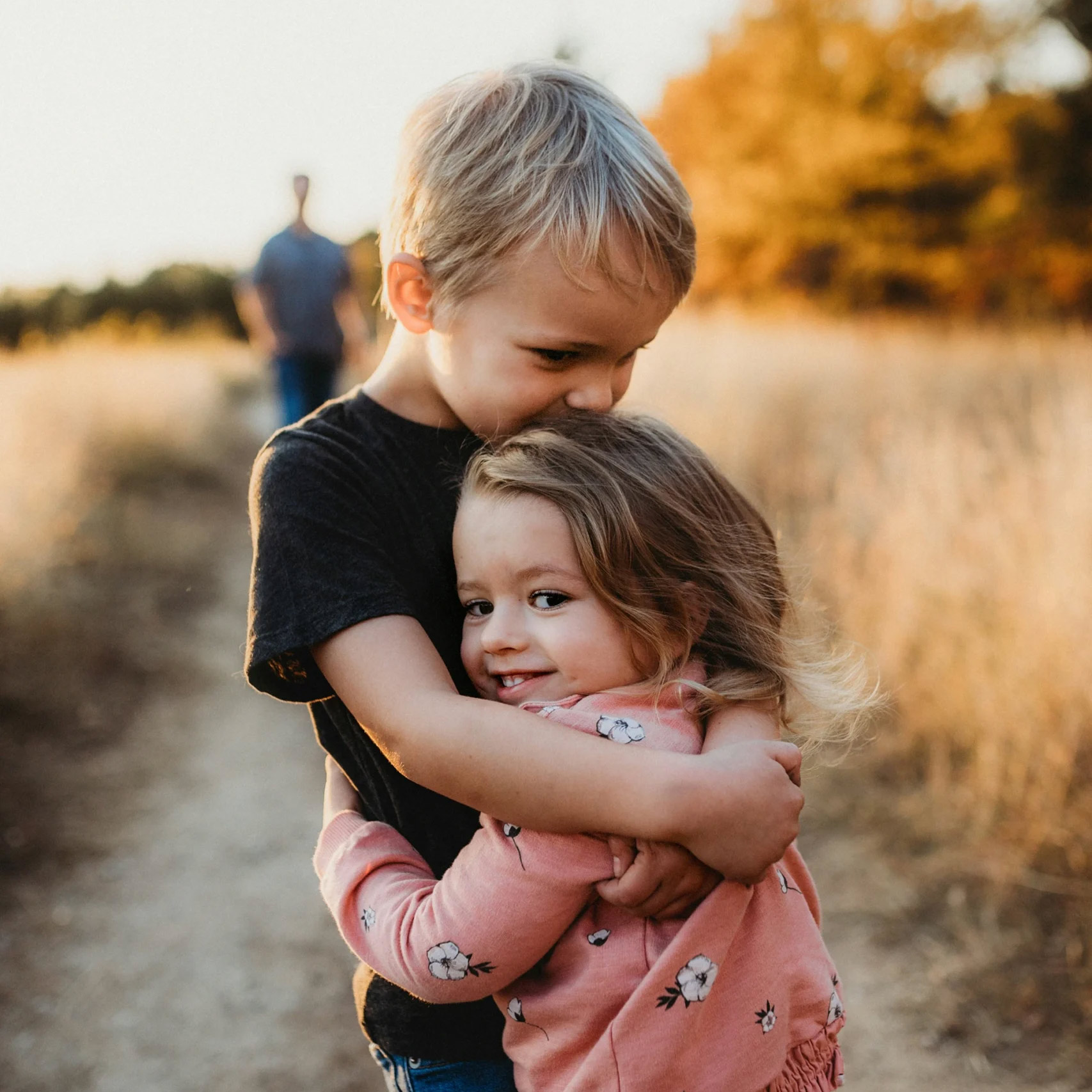
Every $19.64 helps protect one child.
Child abuse encompasses various forms of mistreatment, including physical, emotional, and sexual abuse, as well as neglect. Recognizing the signs of abuse is crucial for ensuring the safety and well-being of vulnerable children.
Statistics show that approximately 1 in 7 children experience abuse or neglect in the U.S. Understanding these dynamics helps advocates and caregivers identify at-risk children and intervene effectively, providing them with the support they need.
Access to resources is vital for victims of child abuse and their families. This includes information on legal aid, counseling services, and support groups that can assist in the healing process.
Organizations like the Center for the Rights of Abused Children provide directories of local resources, including hotlines and shelters, which empower families to seek help and advocate for their children's rights.
Advocacy training programs equip individuals with the skills needed to effectively support abused children and influence policy changes. These programs cover topics such as legal rights, trauma-informed care, and community engagement.
By participating in advocacy training, individuals can learn how to raise awareness about child abuse, mobilize community resources, and become effective advocates for legislative reforms that protect children's rights.
Taking action against child abuse involves both individual and collective efforts. Individuals can support the cause through volunteering, donations, and spreading awareness about the issue.
Communities can organize events, campaigns, and educational workshops that engage the public and encourage proactive measures to combat child abuse, fostering a safer environment for all children.

