
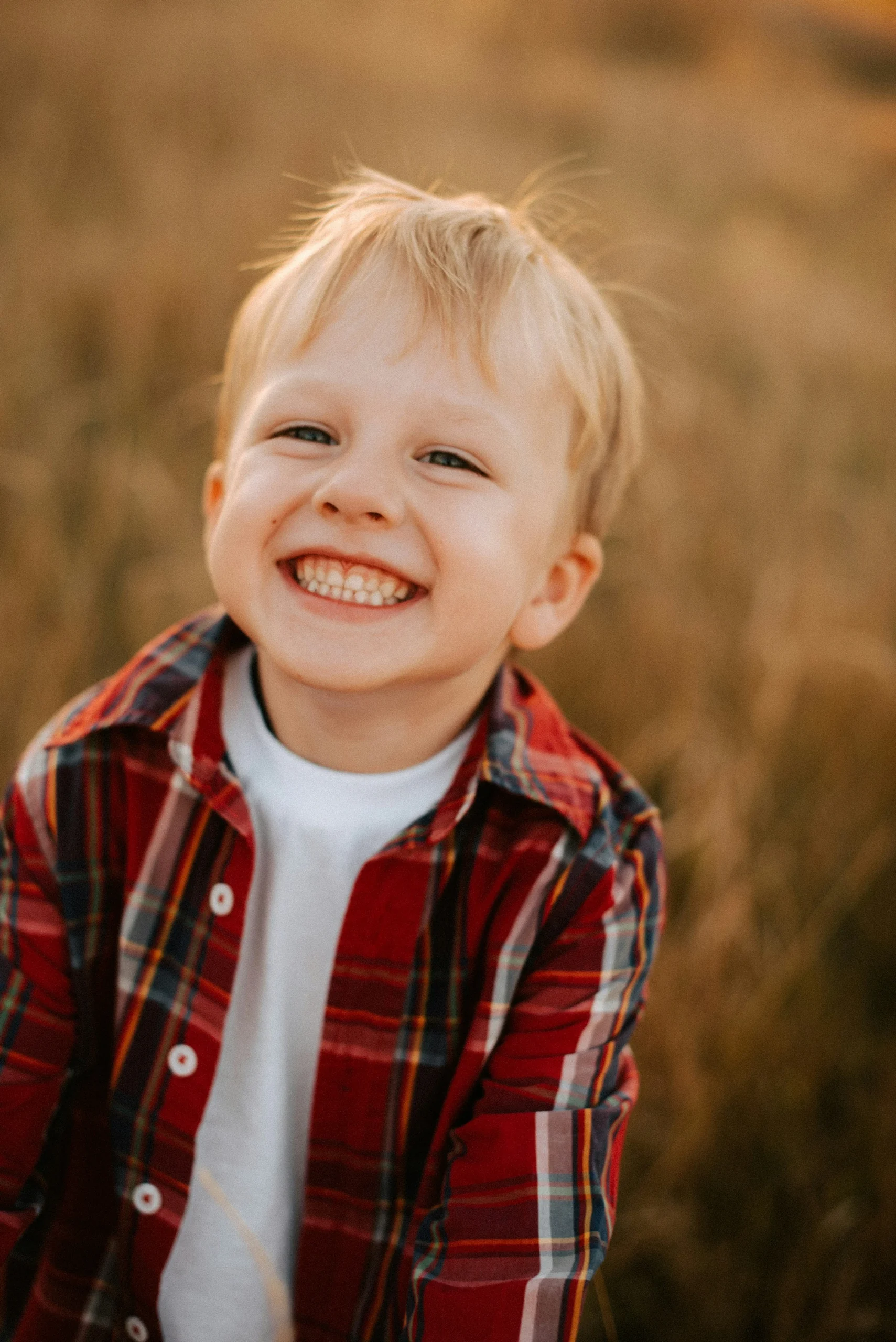
Drew and his three brothers were born to violence in a local meth house. When Drew was six, the four brothers were found lying on filthy mattresses, with no food or even a bathroom to use.
They were brought into care for safety, but tragically separated from each other. After two years, child protective services sent Drew and his brothers back to their mother, who was still using meth. The violence began again. That’s when Drew’s previous foster family called the Center for the Rights of Abused Children. Drew had no attorney advocating for his rights. We fought for his safety…and for the safety of his brothers.
Drug use is a leading risk factor for a child becoming a victim of abuse.
Thanks to our pro bono work and a loving foster family, the boys today are all united, safe and loved.
Though federal law requires foster care to be temporary, not a single state complies. And half of siblings are taken from each other, despite laws protecting their right to be together. We are fighting to give every abused child an attorney to protect and enforce their rights under the law.
*Details modified to protect the child’s identity.
The Importance of Legal Advocacy for Abused Children
Legal advocacy plays a crucial role in protecting the rights of abused children, ensuring they receive the necessary support and resources to navigate complex child welfare systems. Organizations like the Center for the Rights of Abused Children work tirelessly to provide legal representation, helping to secure safe environments for these vulnerable individuals.
Without proper legal advocacy, many children remain trapped in unsafe situations, often facing additional trauma. For instance, studies show that children with legal representation are significantly more likely to achieve positive outcomes, such as reunification with family or placement in stable, loving homes. This highlights the need for continued support and funding for legal services dedicated to child welfare.
Understanding the Impact of Child Separation
Child separation during foster care placements can have devastating effects on siblings and their emotional well-being. Research indicates that maintaining sibling relationships is vital for the mental health and stability of children who have experienced trauma. The Center for the Rights of Abused Children advocates for policies that prioritize keeping siblings together whenever possible.
For example, despite laws designed to protect sibling relationships, many children are still placed in separate homes. This separation can lead to feelings of abandonment and loss, making it harder for them to heal. By raising awareness and pushing for legislative changes, organizations can help ensure that siblings are not only placed together but also supported throughout their foster care journey.
How You Can Make a Difference
There are many ways individuals can support the mission of the Center for the Rights of Abused Children and help advocate for the rights of abused children. From volunteering time to donating resources, every effort counts towards creating a safe and nurturing environment for those in need.
For instance, community members can participate in fundraising events, share awareness on social media, or become advocates for policy changes that benefit children in foster care. Each action contributes to a larger movement focused on protecting children's rights and ensuring they have a voice in the systems that affect their lives.
Join Our Community of Supporters
Becoming part of the Center for the Rights of Abused Children's community not only keeps you informed about the latest developments in child advocacy but also connects you with like-minded individuals passionate about making a difference. By joining our mailing list or participating in events, you can stay updated on important issues and initiatives.
Moreover, engaging with our community allows you to share your own stories and experiences, fostering a supportive network that amplifies our collective impact. Together, we can work towards a future where every child has the right to safety, love, and a permanent home.